Zagreb often gets left out of many first-time routes through Croatia. Most travelers head straight to the Adriatic coast, leaving the capital in the background. But those who decide to stop here discover a city best understood on foot — connecting squares, pedestrian streets, local markets, and terrace cafés where much of daily life unfolds.
To really get a sense of the things to do in Zagreb, it helps to look back at the origins of its old town. For centuries, the city was made up of two separate settlements: Gradec, on the western hill, and Kaptol, on the eastern one. Between them stood walls, gates, and a relationship shaped by both agreements and conflicts. Today, those two hills explain why the historic center is divided into two areas linked by slopes, stairways, and viewpoints overlooking the lower city.
From the 19th century onward, Zagreb expanded southward with new squares, parks, and public buildings that still concentrate much of the city’s activity. Most routes move between the upper and lower towns: the Dolac market, small local museums, trams crossing the center, and a lively café scene present in everyday life. Tracing out the things to do in Zagreb means planning a logical route through these places and understanding how the historic neighborhoods connect with modern-day Zagreb.
Tips to travel with peace of mind
Connectivity: Forget about roaming. Get your eSIM with 2GB for FREE when buying your DareMapp audioguide [View conditions]
Travel insurance: Travel protected with IATI: Assistance 24/7 and advance
medical expenses coverage. Get a 5% discount here. [Take out insurance]
Documentation: Avoid surprises with visas or entry requirements. Check out this free tool👇
Things to do in Zagreb: must-sees in the historic center
If you’re wondering about the things to do in Zagreb, most of its must-see spots are concentrated between the upper and lower parts of the city — where squares, markets, pedestrian streets, and historic buildings show how the capital has taken shape over the centuries. This section brings together the places that help you understand the city center, explore the busiest areas with purpose, and pinpoint the landmarks that truly define a first visit.
Dolac Market
If you’re looking for the things to do in Zagreb that let you see how the city really works from the inside, Dolac Market is a great place to start. Open since 1930, it’s still the main open-air market in the capital. Every morning, farmers from the surrounding areas arrive with fruits, vegetables, cheese, honey, cured meats, and flowers that supply both locals and downtown restaurants.
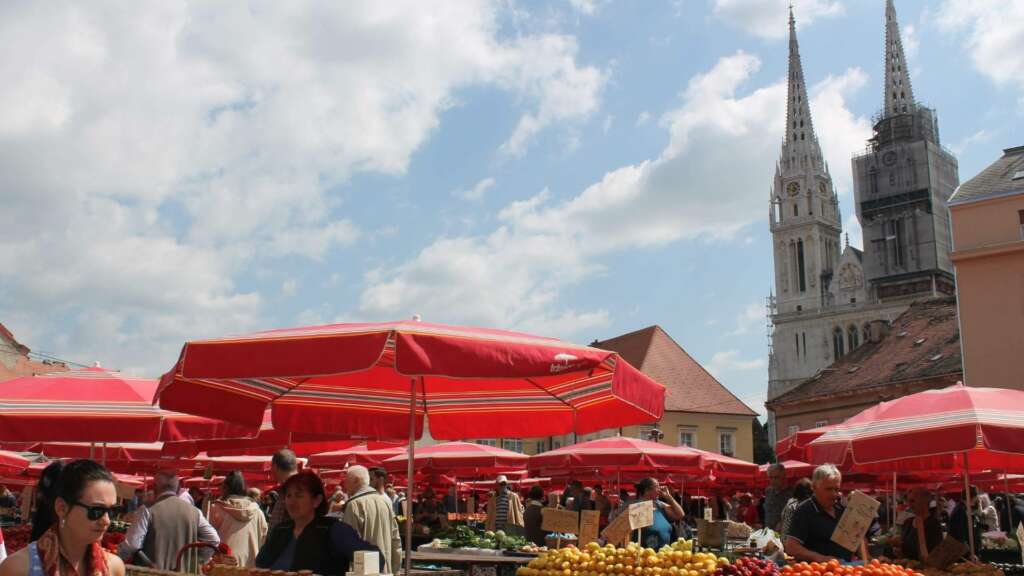
The most recognizable part is the upper square, where bright red umbrellas cover the stalls. This is where you’ll find the freshest produce and the liveliest atmosphere. One level below, under the main market structure, are the meat and fish vendors, along with small shops selling local products.
Dolac isn’t a quick-stop tourist market. Early in the morning, it fills with regular shoppers who know the sellers by name and compare prices and quality. That daily routine explains everyday life in the city center better than many monuments.
The market is just a few steps away from the main square and sets the tone for the neighborhood in the mornings. Around noon, stalls begin to close, and the area takes on a new vibe, with bars and terraces taking over the scene.
If you’re adding this spot to your list of the things to do in Zagreb, the best time to visit is early in the morning. Take the time to explore both the outdoor area and the covered level — it’s the moment when you truly understand why this market remains such an essential part of local life.
Stone Gate
The Stone Gate is one of the most recognizable historical landmarks among the things to do in Zagreb — and the only remaining gate from the old medieval walls of the Upper Town. It dates back to the 13th century and, for centuries, marked one of the main entrances to Gradec, the fortified settlement that once occupied this hill.
Inside the gate, there’s a small chapel dedicated to the Virgin Mary, built after a fire in 1731. According to local tradition, a painting of the Virgin was the only object that survived the flames, turning this passageway into a place of devotion deeply rooted in the neighborhood’s daily life. Even today, it’s common to see candles burning and locals pausing to pray as they pass through. Among the things to do in Zagreb, the Stone Gate stands out not for its size, but for its enduring role through time.
This contrast between its original defensive role and its current purpose helps explain how the old town has evolved over the centuries. If you’re planning the things to do in Zagreb, the Stone Gate helps you imagine one of the city’s former boundaries and understand how people once entered the medieval enclosure.
Among the things to do in Zagreb, the Stone Gate remains special because it’s still part of daily life in the historic center — a real passageway between the Lower and Upper Town, used every day by locals, workers, and visitors alike.
Zagreb Cathedral
The Zagreb Cathedral is the most important religious building among the things to do in Zagreb and one of the city’s most recognizable landmarks. Its origins go back to the 11th century, although the current temple is the result of multiple reconstructions after fires and earthquakes — most notably the one in 1880, which led to a major renovation.
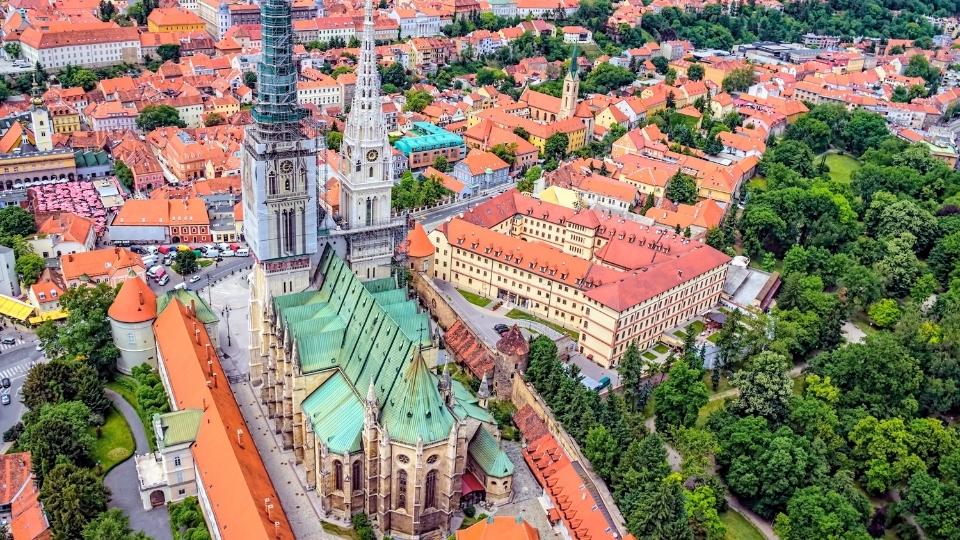
Inside, you’ll find altars, side chapels, and the tomb of Cardinal Alojzije Stepinac, a key figure of 20th-century Croatian history. The cathedral also houses liturgical pieces and artworks that reflect its deep significance in the city’s religious and social life.
The twin towers became for decades one of the most iconic silhouettes among the things to do in Zagreb. After the 2020 earthquake, one tower partially collapsed, and both were dismantled for restoration — a process that still shapes the area’s skyline and recalls the impact of the quake on the city’s historic center.
The cathedral sits in the Kaptol area, the old ecclesiastical quarter of medieval Zagreb. This surroundings help explain how historic Zagreb was organized around religious institutions, canonical residences, and small squares tied to parish life.
If you’re planning the things to do in Zagreb, visiting the cathedral helps you locate one of the city’s core historic sites and understand why Kaptol played such a central role in shaping the old town.
Ban Jelačić Square
Ban Jelačić Square is the clearest reference point for finding your way around central Zagreb and one of the things to do in Zagreb that sees the most daily foot traffic. Several of the city’s main shopping streets and tram lines meet here, making it a constant crossing point for both locals and visitors.
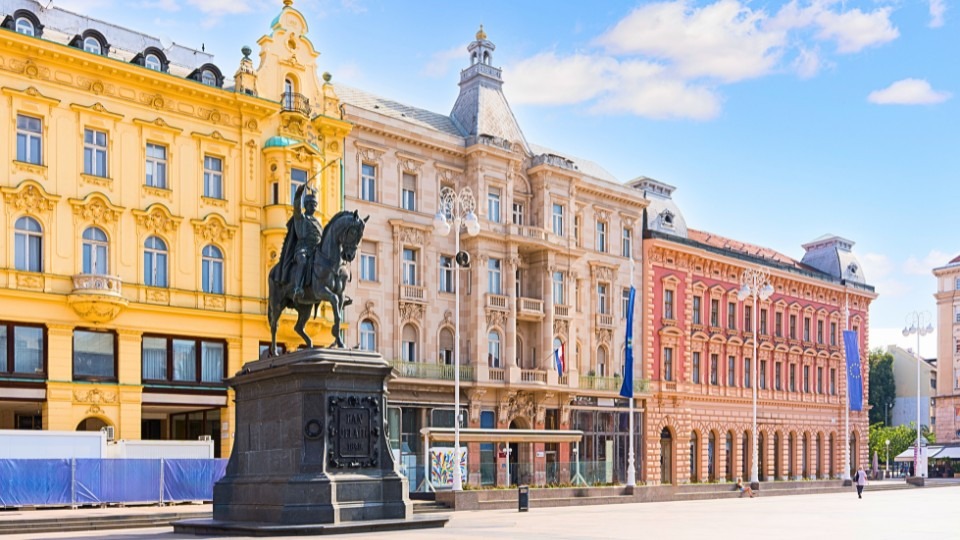
The square is named after Josip Jelačić, a military and political figure from the 19th century. At its center stands his equestrian statue, unveiled in 1866, which faced north toward Hungary for decades, was removed during the Yugoslav era, and was put back in 1990 after Croatia’s independence.
The surroundings combine 19th- and early 20th-century buildings, with facades that reflect Zagreb’s urban growth during the Austro-Hungarian period. Throughout the day, the square works as a meeting point, a place for quick stops, and a common reference for meeting up before heading to other parts of the center.
From here, it’s easy to reach several key areas of the city. It’s a good place to get your bearings, follow tram lines, and spot pedestrian streets before continuing your walk through the center.
St. Mark’s Church
St. Mark’s Church is one of the most recognizable buildings among the things to do in Zagreb in the Upper Town. Its origins go back to the 13th century, although its current appearance is the result of several later renovations, especially those carried out between the late 19th and early 20th centuries, when the facade was restored and the structure of the church was reinforced.
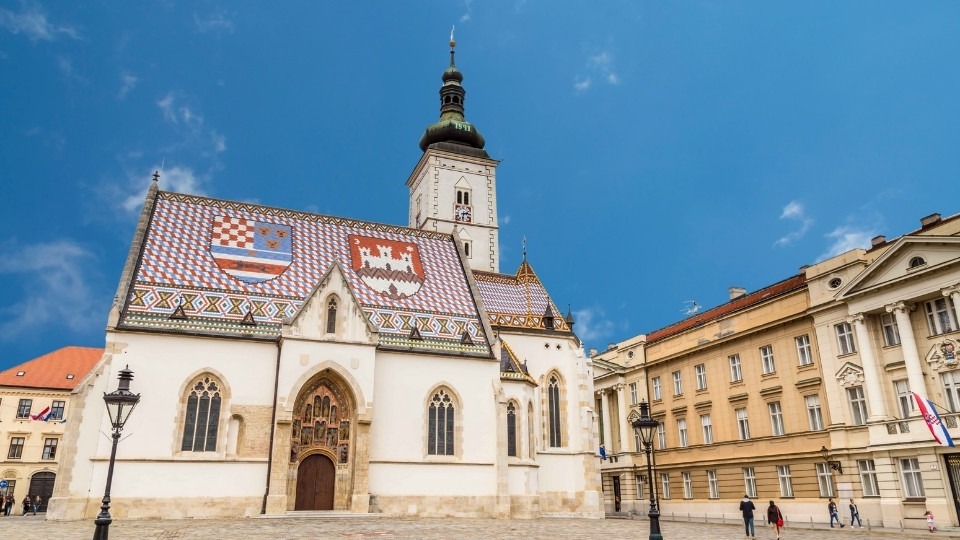
Its most visible feature is the roof of glazed tiles, where the coats of arms of the Kingdom of Croatia, Dalmatia, and Slavonia appear alongside the coat of arms of the city of Zagreb. This heraldic design sums up Zagreb’s political position within Croatian territory during the Austro-Hungarian period and explains why the image has become one of the most recognizable visual symbols of the historic center.
The interior is simple and reflects the changes the building has gone through over the centuries. It houses sculptures by Croatian artist Ivan Meštrović and preserves architectural elements that show how the church adapted to new religious and ceremonial uses over time.
The church stands in front of institutional buildings such as the Croatian Parliament and the seat of government. This setting shapes the square, where visitor traffic mixes with daily political activity and the security measures typical of an administrative area.
This spot helps explain how, in the Upper Town, places of worship, official buildings, and public squares sit just a few steps apart — a concentration that says a lot about Zagreb’s historical layout.
Tkalčićeva Street
Tkalčićeva Street follows the old natural boundary that for centuries separated Gradec from Kaptol. The Medveščak stream once ran through this area, acting as the physical border between the two medieval settlements until it was covered in the 19th century, giving rise to the street as it exists today.
Over time, this area changed from being home to artisan workshops and water mills to a place with small shops and residential buildings. The street’s long, narrow layout reflects its origins along the stream’s course and the neighborhood’s gradual growth.
Today, Tkalčićeva is one of the busiest things to do in Zagreb’s historic center. Cafés, bars, and restaurants fill most of the ground floors, and the flow of people continues from morning until late at night. It’s a clear route for understanding how everyday life is distributed between the Upper Town and the lower area.
Walking along this street helps you locate the old divide between the two cores that gave rise to Zagreb. As you go, you can still sense how the city’s layout preserves the trace of that medieval border, even though the surroundings have changed completely over the centuries.
Lotrščak Tower and the Noon Cannon
Lotrščak Tower was part of Gradec’s medieval defensive system and was built in the 13th century to protect the western entrance to the walled town. From here, the entrances were controlled and the surrounding area — now much of the city center — was kept under watch.
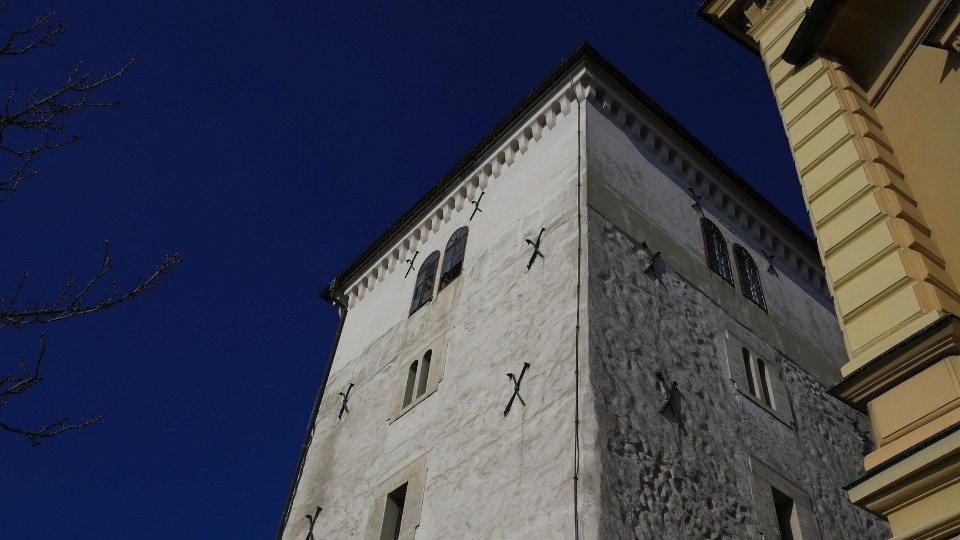
Since the 19th century, the tower has been linked to one of the most recognizable things to do in Zagreb: the daily cannon shot at 12:00. The tradition began in 1877 and was used to mark noon and help synchronize the city’s clocks. The shot is still fired today, except in special cases, and remains part of the city’s daily rhythm.
Inside the tower, there’s a small exhibition space and a staircase that leads to the top. From there, you get open views over the lower town, with a clear look at the 19th-century city layout and the relationship between the two historic hills.
The tower sits at one end of the Upper Town, and its position helps explain how the medieval defense system was organized.
Upper Town of Zagreb (Gradec)
The Upper Town sits on the western hill where Gradec’s fortified core was established in the Middle Ages. In the 13th century, this area received royal privileges, which allowed its inhabitants to organize a settlement with walls, gates, and a system of self-government that shaped Zagreb’s urban life for centuries.
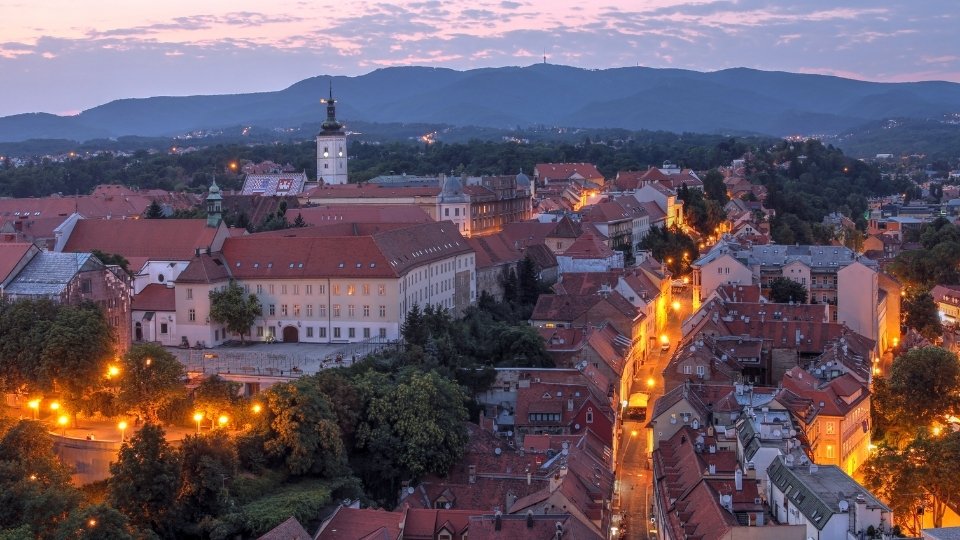
The layout still preserves narrow streets, small squares, and stretches of old walls that show how a defensive town was organized. This is where homes, artisan workshops, and administrative buildings linked to local governance were concentrated. Part of that medieval fabric is still visible in the street pattern and in the location of several things to do in Zagreb.
Over the centuries, the Upper Town gradually lost its strictly defensive role and became part of the city’s expansion toward the lower area. Many houses were renovated and adapted, and some spaces were later used for institutional offices, museums, and cultural centers.
Other key things to do in Zagreb
Beyond the must-see sights, things to do in Zagreb also include places that show the city from other angles: urban parks, cultural venues, historic buildings, and areas that are part of everyday life for its residents. In these spots, you can really see how Zagreb works beyond the most visited route, and how its neighborhoods, green areas, and cultural hubs connect within the same urban walk.
Maksimir Park
If you’re planning the things to do in Zagreb, Maksimir Park is one of the largest green spaces in the city. It was created in the late 18th century as a public park and still follows a landscaped layout with wooded areas, paths, and open spaces that locals use every day for walking, jogging, or simply sitting down with a good book.
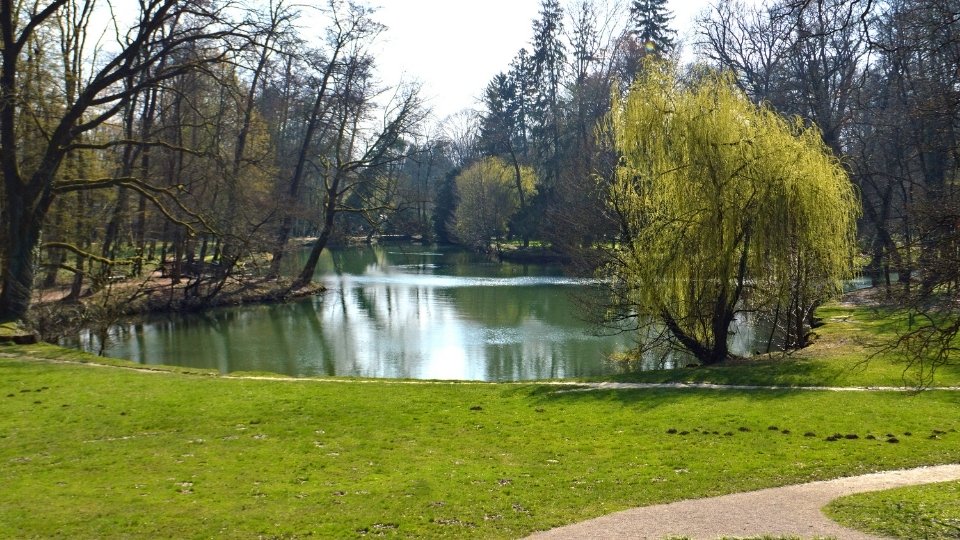
Inside, the park is dotted with several artificial lakes, meadows, and pathways connecting different entrances. The way it’s laid out lets you explore it in short stretches or link together longer strolls, all within that natural setting and still very much part of the urban fabric you’ll discover among the things to do in Zagreb.
The park also preserves small pavilions and viewpoints that were part of its original design. These elements help explain how urban leisure spaces were conceived in Zagreb in the late 18th and 19th centuries, when the park became one of the city’s main public areas.
Maksimir Park is located to the east of the center and is easily reached by tram, making it a common stop among the things to do in Zagreb beyond the old town.
Mirogoj Cemetery
If you’re planning the things to do in Zagreb, Mirogoj Cemetery is one of the most representative places for understanding the city’s more recent history. Opened in 1876, it has served ever since as the capital’s main burial ground, with graves of prominent figures from Croatian politics, culture, art, and science.
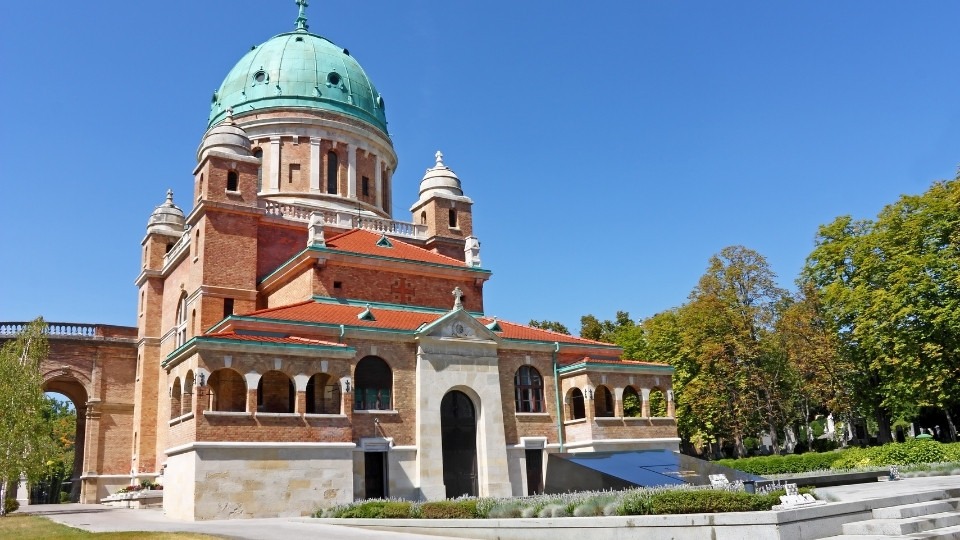
The complex stands out for its monumental architecture, especially the arcades, covered galleries, and domes that run along its perimeter. Throughout the grounds you’ll find family mausoleums, funerary sculptures, and landscaped areas that were part of the original layout.
Mirogoj was conceived from the beginning as a secular space, without separation by religious confession, allowing you to see the social diversity of Zagreb in one place — from the late 19th century to the present. This approach explains the coexistence of different symbols and traditions within the same enclosure.
The cemetery sits on a hill north of the city center and is easily reached by tram or bus.
Croatian National Theatre (HNK)
As part of the things to do in Zagreb, the Croatian National Theatre (HNK) is one of the most recognizable cultural buildings in the city center. Opened in 1895, it forms part of the grand Green Horseshoe complex, the late‑19th‑century axis of parks and institutional buildings that shaped Zagreb’s expansion.
The building stands out for its architecture and its bright yellow facade, visible from several points around the city. Inside, it hosts opera, ballet, and theatre performances and remains one of the country’s main performance venues, with a regular program running throughout the year.
The theatre is surrounded by gardens, wide avenues, and other institutional buildings that help explain how Zagreb’s urban expansion was planned beyond the old town. This ensemble reflects the period when the city set out to build large cultural and administrative complexes.
Thanks to its location, the Croatian National Theatre is easy to include in any route of things to do in Zagreb around the lower part of the city.
Botanical Garden
A few minutes’ walk from the central station, you’ll find the Zagreb Botanical Garden, one of the most carefully kept scientific and green spaces in the city center. Founded in 1889 as part of the university, it still fulfills its academic role in the study and conservation of plant species.
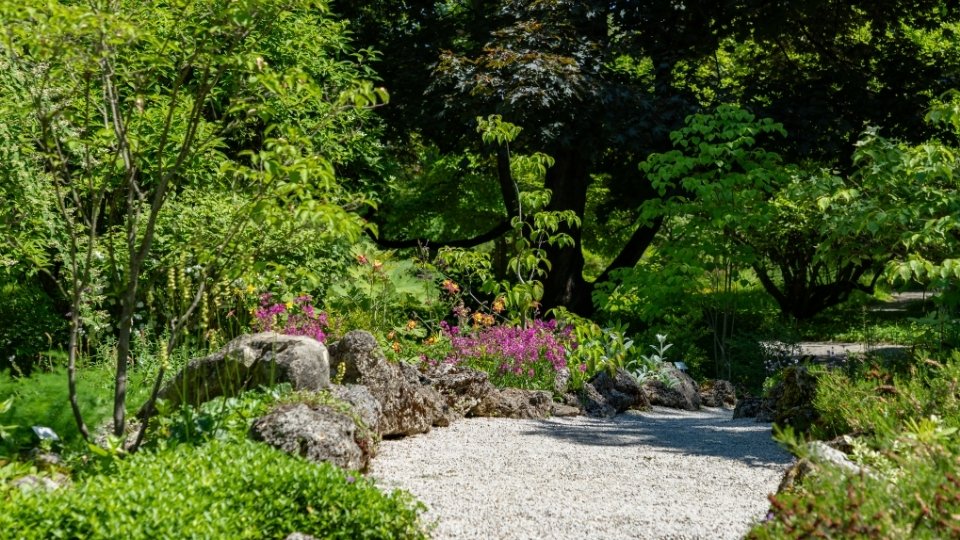
The garden is arranged into geometric green zones, paths, and small thematic areas where native Croatian plants are grouped alongside species from other parts of Europe and the world. The layout makes it easy to enjoy a short walk, with resting spots beside ponds and shaded, tree‑lined areas.
Beyond its botanical value, the garden shows how scientific spaces were integrated into Zagreb’s urban expansion in the late 19th century. The arrangement of the paths and their relationship with the surrounding city reflect the planning model of Zagreb at that time.
Thanks to its size and central location, the Botanical Garden fits naturally into any route of things to do in Zagreb in the lower part of the city.
Nikola Tesla Technical Museum
This museum helps you understand a less visible part of Zagreb’s urban history, linked to industry, engineering, and the country’s technological development. Opened in 1954, the Nikola Tesla Technical Museum brings together collections related to energy, transport, mining, and early 20th‑century industrial applications.
The visit is organized into thematic pavilions, where you’ll see original machinery, locomotives, historic vehicles, models of power plants, and technical equipment used at different points in Croatia’s industrial growth. One of the best‑known sections is dedicated to Nikola Tesla, with demonstrations that explain basic principles of electricity.
This space lets you see how production processes changed and how these innovations affected everyday life in the city. Unlike museums focused on art or general history, the emphasis here is on technical progress and its social impact.
Thanks to its location, the museum is easy to work into a visit of the things to do in Zagreb beyond the old town. It’s reachable by tram from the center and can be combined with nearby parks and residential neighborhoods.
⌛ Would you like to keep browsing through blogs, or would you prefer to enjoy Zagreb on your own?
The DareMapp makes it easy for you. Enjoy the COMPLETE GUIDE ON YOUR MOBILE and experience every corner in a unique way. No timetables – just at your own pace.
Typical Zagreb gastronomy
Things to do in Zagreb also include sitting down to eat and understanding what people cook in the Croatian capital. The local food blends recipes from inland Croatia with Central European influences, seasonal ingredients, and dishes that are part of everyday life in the city. In markets, traditional taverns, and restaurants around the center, you’ll find preparations that have graced local tables for decades and help you read the city through its kitchen.
Štrukli
Štrukli is one of the most well‑known dishes from the Zagreb area and the Zagorje region. It’s made with a very thin dough filled with fresh cheese, sour cream, and egg, and can be served boiled or baked, with the oven‑baked version being the most common in the capital.
In Zagreb, it’s usually served from the oven, with a slightly golden top and a creamy interior. Rolling the dough until it’s almost translucent is part of the local home‑cooking tradition and is still kept alive in many restaurants that focus on regional cuisine.
For decades it was strongly linked to family settings and special occasions. Over time it moved onto menus in the city center, becoming one of the dishes that help you understand traditional cooking when you’re planning the things to do in Zagreb from a gastronomic point of view.
Zagrebački odrezak
Zagrebački odrezak (Zagreb‑style schnitzel) is one of the most recognizable dishes of local Zagreb cuisine. It consists of a veal cutlet stuffed with cheese and ham, breaded and fried, very similar in technique to the Central European cordon bleu.
The preparation starts with a thin piece of meat wrapped around the filling, coated in breadcrumbs, and fried until golden on the outside and juicy inside. In traditional restaurants it’s usually served with potatoes, boiled vegetables, or a simple salad.
This dish became part of Zagreb’s urban cuisine in the 20th century, when Central European cooking clearly influenced local recipes. Today it turns up regularly on menus in city‑center taverns and traditional restaurants.
It’s a common choice for a full meal while exploring the things to do in Zagreb, especially in places that highlight hearty, home‑style cooking from inland Croatia.
Purica s mlincima
Purica s mlincima is a traditional recipe from northern Croatia and is very common in Zagreb and its surroundings. It combines roasted turkey with mlinci, a thin flat dough that is baked, broken into pieces, and then soaked in the roasting juices.
The meat is cooked slowly so it stays tender, while the mlinci soak up the flavor of the broth and the fat from the roast. The result is a mild‑flavored dish, closely tied to family celebrations and weekend meals.
For a long time it was mainly associated with festive occasions and large gatherings. Gradually it moved into the menus of local restaurants, where it’s now served as an individual main course.
You’ll commonly find it in traditional taverns in the center and in places that specialize in cuisine from inland Croatia.
Ćevapi
Ćevapi are small grilled minced‑meat pieces typical of Zagreb and of Croatia as a whole. They’re made with a mixture of beef and pork, gently spiced, and served freshly grilled, usually as individual portions meant to share.
In the capital, you can find them in casual fast‑food style spots as well as in traditional restaurants. They’re typically served with flat bread, raw onion, and sometimes a red‑pepper sauce or a dollop of cream.
Although their roots are Balkan, ćevapi have been part of everyday food in Zagreb for decades. They go well with informal meals, quick stops between visits, or simple dinners in central neighborhoods.
They’re a common option for a fast bite while you’re exploring the things to do in Zagreb, without sitting down in a formal restaurant.
Kremšnita
Kremšnita is one of the most famous desserts from northern Croatia and is also widely available in Zagreb. It’s made with layers of flaky puff pastry filled with a light custard‑style cream and, in some versions, an extra layer of whipped cream.
The texture is soft, and the contrast between the crispy pastry and the creamy filling defines the character of the dessert. Although the recipe became especially popular in the nearby town of Samobor, in Zagreb you’ll easily find it in traditional bakeries and cafés in the center.
For decades it has been a treat linked to afternoon snacks and family celebrations. Today it’s a regular part of the city’s sweet selection, with classic versions and slightly modernized takes to suit contemporary tastes.
🗺️Your trip in Zagreb, with DareMapp
📍More than 20 points of interest
🚀A planned itinerary to make the most of your time
💡Recommendations, day trips & unique experiences
❓Test, questions & more than 2h content
Curiosities and traditions of Zagreb
Beyond the usual routes, Zagreb is also best understood through small gestures, local habits, and repeated details in its streets, squares, and buildings. Some of these customs are part of the city’s yearly calendar; others live on in everyday use of the urban space. These quirks help you read Zagreb not just through its monuments, and they let you widen your view when you’re planning the things to do in Zagreb from a cultural perspective.
The noon cannon shot from Lotrščak Tower
Every day at noon, a cannon shot rings out from Lotrščak Tower in the Upper Town of Zagreb. This tradition has been kept alive since the 19th century and still marks a shared reference point in the city’s daily rhythm.
The cannon is fired from the top of the tower, right next to the funicular that connects the Upper Town with the lower part of the city. The sound reaches several spots in the center, working as a shared signal many locals recognize without even checking their watches.
The custom originated in the need to control time in the city and to coordinate public clocks before modern synchronization systems existed. Over the years, the shot remained as a small but meaningful part of Zagreb’s everyday soundscape.
This detail often surprises visitors who are putting together their list of things to do in Zagreb, especially if they happen to be walking through the Upper Town when the cannon goes off and they didn’t know about the tradition.
Gas lamps in the old town
In several streets of the Upper Town, you’ll still find gas lamps that are lit by hand at dusk. This lighting system was introduced in the 19th century and has been preserved in some areas as part of the city’s historic streetscape.
Every evening, a lamplighter walks the streets and lights each lamp one by one, then comes back in the morning to switch them off. This route is part of the regular maintenance of the historic center and continues even in periods with fewer visitors.
These gas lamps are concentrated in streets near Lotrščak Tower and St. Mark’s Church, where modern electric lighting coexists with this older system. The mix of both kinds of light makes it easy to see how different phases of urban history overlap in the same streets.
This detail often goes unnoticed on quick routes of things to do in Zagreb, but it adds a subtle layer to how public space is used in the Upper Town.
The Zagreb Advent Festival
Every winter, the Zagreb Advent Festival turns city squares and streets in the center into temporary Christmas markets, with food stalls, seasonal lights, and small stages for concerts. The event is concentrated around Ban Jelačić Square, Zrinjevac, and other points along the 19th‑century urban axis.
The festival became one of the city’s most‑visited annual events during the 2010s. For several weeks, the historic center shifts its usual rhythm and focuses on outdoor activities linked to the Christmas season.
Advent does not take place in a single spot, but is spread across different locations, which naturally creates walking routes between squares, parks, and shopping streets. This layout lets you revisit parts of the usual things to do in Zagreb, but through a very different seasonal atmosphere.
Zagreb funicular
The Zagreb funicular connects the Lower Town with the Upper Town in just a few seconds, overcoming the steep difference in height between the two levels of the historic center. Opened in 1890, it is one of the oldest urban funiculars in Europe still in operation and part of everyday transport in the neighborhood.
The ride is very short, but it clearly shows how the city was organized in two distinct levels, with administrative and residential functions in the upper part and commercial and cultural life in the lower part. The original route has remained almost unchanged, as have the cars and basic operating system, which makes the funicular a unique piece of the city’s technical heritage.
Beyond its practical use, the funicular has become a recognizable feature of the city center. It appears in old photographs, vintage guidebooks, and the collective memory of several generations of residents, which is why it’s such a common stop on the usual things to do in Zagreb.
Remember that with DareMapp you can take part in a wide range of interactive tours. A fun way to explore the top destinations.
Better way to travel and explore a city than by learning in a fun way? Visit our blog to discover loads of travel tips.
Discover our social media